
What it really takes to put an AI agent into production
The demo is the easy 20%. We break down the unglamorous engineering — tools, guardrails, evals and observability — that separates an agent that impresses from one you can actually depend on.

WellSky Integration Automation: Patterns for Home-Health Ops
WellSky integration automation is a governed pipeline, not an AI guessing at your EMR. Patterns for home-health ops t...
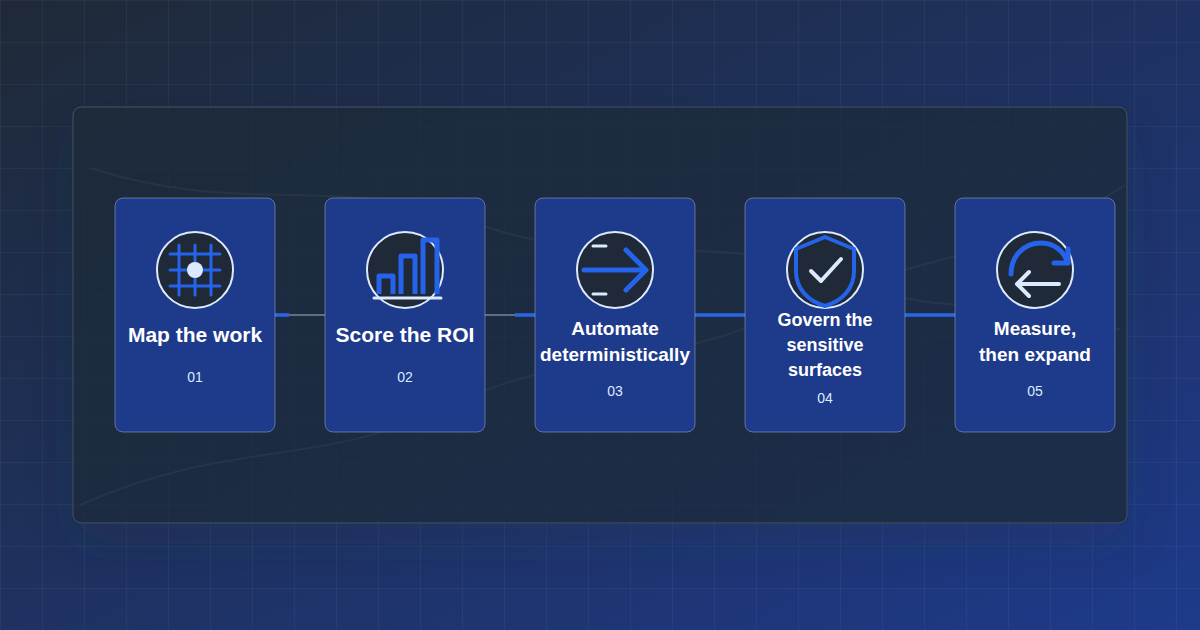
Home Health Agency Automation: Why Most Agencies Fail Before They Start
Why home health agency automation projects fail — and the map-first approach that actually automates scheduling, comp...
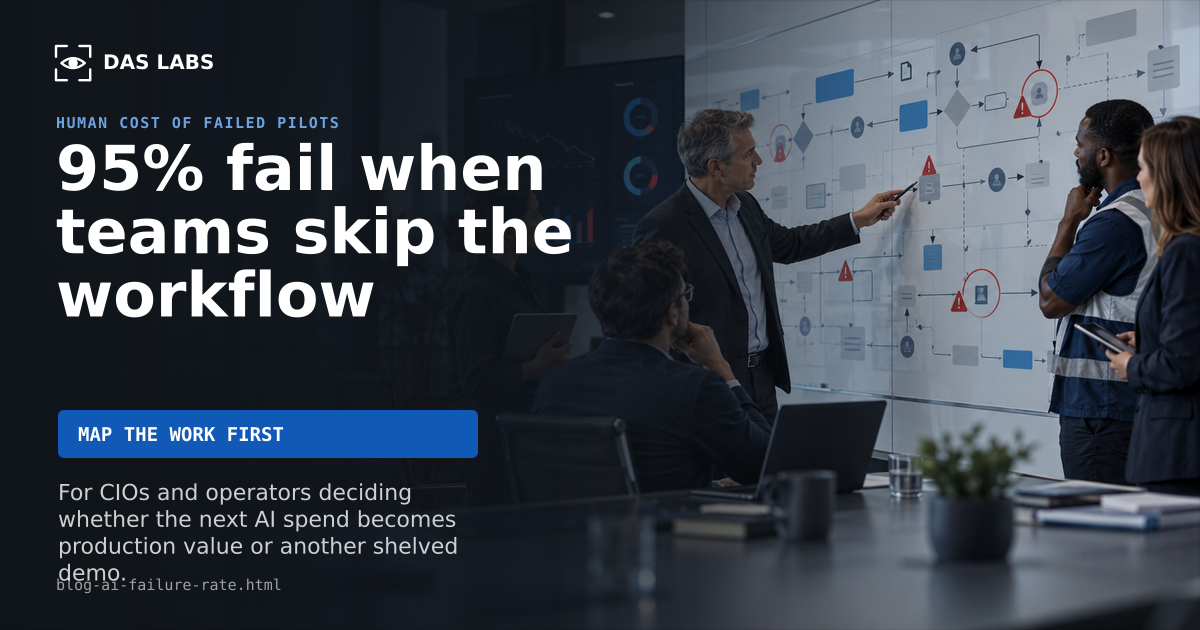
95% of AI Projects Fail — Here’s What the Other 5% Do Differently
MIT says 95% of AI pilots produce no profit. Here’s what the successful 5% do before writing a single line of code.

What a Successful AI Agent Deployment Actually Looks Like
Most agent projects fail not because the model is wrong, but because nobody maintains the system around it.

AI Governance for Regulated Industries: What Your Board Needs to Know
In regulated industries, governance isn’t a roadblock — it’s the accelerator. Here’s what your board needs to understand.

Only 25% of AI Initiatives Hit ROI — Here’s Why
IBM surveyed 2,000+ CEOs and only 25% said their AI initiatives delivered expected ROI. The problem isn’t the technology.

The Real Failure Mode Isn’t Hallucinations — It’s Governance
Enterprise AI doesn’t fail because models hallucinate. It fails because nobody built the governance layer.

What a Fractional CAIO Actually Does
Senior AI leadership — roadmap, vendor vetting, governance — without a $300K+ full-time hire. What the role actually does.

The $2.59 Trillion AI Spending Reckoning — And How to Make Sure Your Investment Isn’t Wasted
Global AI spending hits $2.59T in 2026. Most of it is failing. Here’s how to make sure yours isn’t.

The Biggest Players in Enterprise AI Just Validated Discovery-First
IBM, Google, Microsoft, AWS, and Celonis all converged on the same thesis: AI fails without organizational context.

Don’t automate what you can’t describe
AI investment is not an AI question. It’s a question about the shape of your work — and which of five investment levers fits each workflow.
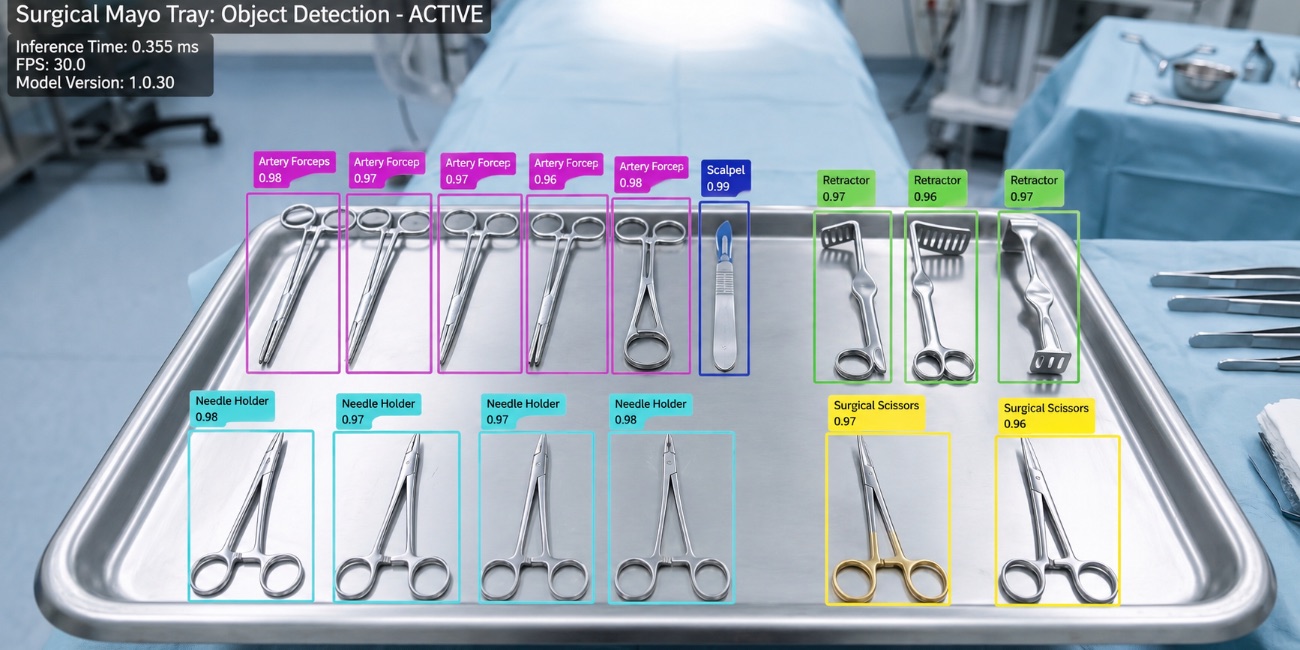
Computer vision in the operating room: precision over hype
What it actually takes for a vision system to be trusted next to a surgeon — latency, failure modes and the human in the loop.

Do you need a Chief AI Officer? The fractional case
Most mid-size companies need senior AI judgment long before they need a full-time executive. Here’s the math.

Governing AI before it governs you
A practical starting point for evaluation, monitoring and policy — without grinding your roadmap to a halt.

Map your processes before you automate them
Automation fails when it paves a broken path. Why the map comes before the build, every time.

Buy, build, or both: a CIO’s guide to AI vendors
A clear-eyed framework for deciding what to build in-house, what to buy, and how to avoid lock-in.

AI in safety-critical environments: lessons from the field
What healthcare and nuclear power taught us about shipping AI where failure is not an option.

Why MCP Isn’t the Problem — Ungoverned Execution Is
A calendar invite triggered remote code execution in Claude Desktop. Not because of MCP — because of ungoverned execution.
Bespoke vs. Off-the-Shelf Computer Vision Services: What C-Suite Leaders Should Consider
Custom-built or pre-packaged computer vision? The strategic factors C-suite leaders should weigh.

What Makes a HIPAA Compliant AI System? A Practical Checklist
What makes a HIPAA compliant AI system: a practical checklist covering BAAs, scoped access, audit trails, and human-i...

Franchise Operations AI: Standardizing 50 Locations Without 50 Rebuilds
Franchise operations AI pays off when you standardize the process first, then automate once. How to cover 50 location...

How to Automate Caregiver Scheduling Without Breaking Compliance
How to automate caregiver scheduling without breaking compliance: what to gate deterministically, what needs a human,...

Using AI for Home Care Compliance: Where It Helps, Where It's Risky
AI for home care compliance helps on chart audits and documentation review, and is risky on clinical decisions and PH...
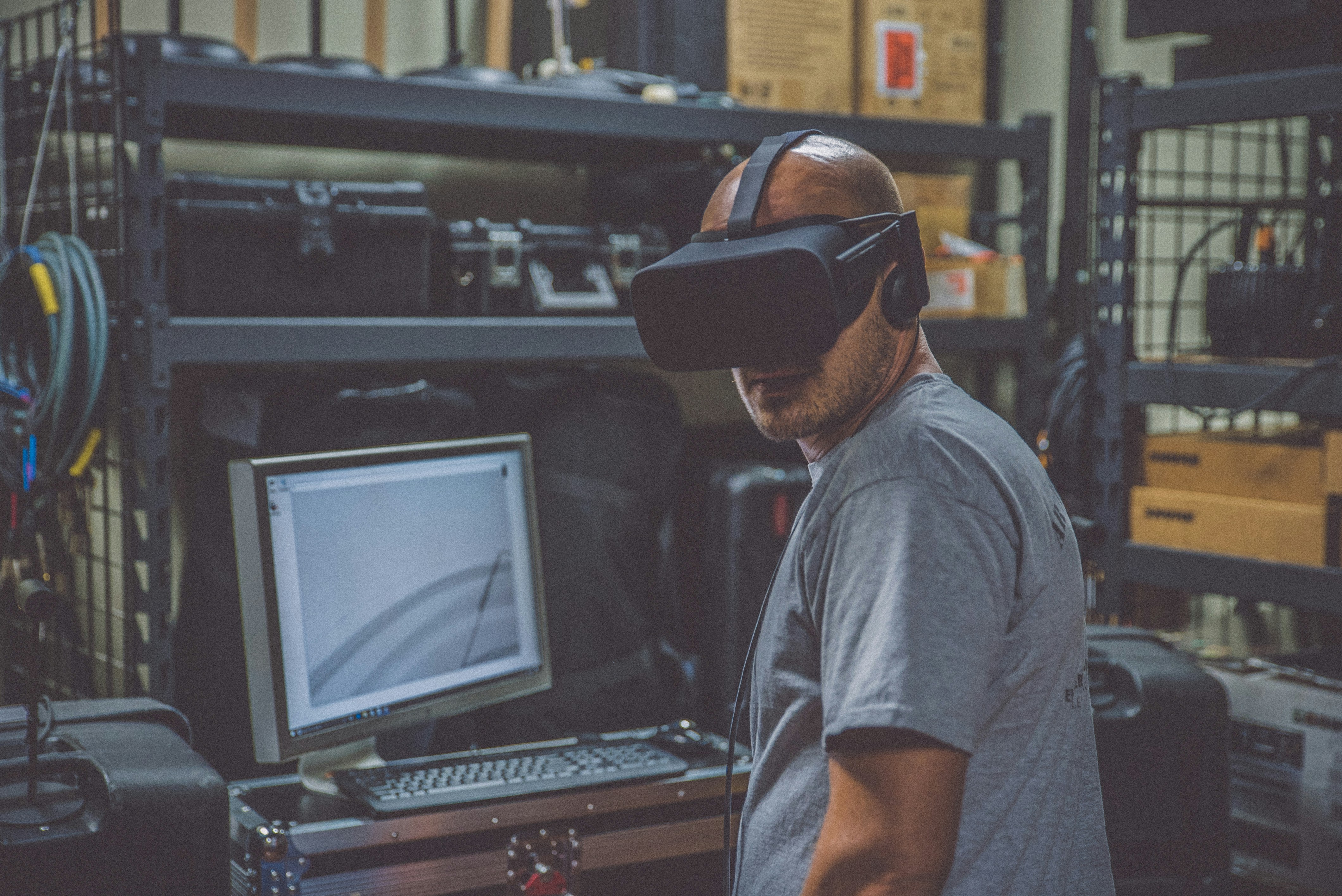
How Artificial Intelligence Enhances Workplace Training
From adaptive learning paths to immersive simulations, AI is reshaping how organizations train.

Why Industry SMEs are Key for AI Software Development Companies
Subject-matter experts turn AI from a generic tool into a precision instrument for your industry.

Understanding AI Project Pricing: A Guide for Businesses
A practical guide to budgeting for AI projects of varying scope and complexity.

Custom AI Software Development vs. Off-the-Shelf Solutions
When to build bespoke and when off-the-shelf makes more sense for your AI initiative.

Challenges in AI Software Development and How to Overcome Them
Data scarcity, model interpretability, and concept drift: the real hurdles in AI development.

Launch: AI-Powered Visit Ouray Tourism App
DAS Labs and UrWay launch the Visit Ouray app with AI-driven self-guided tours and AR navigation.

AI and Spatial Computing: Super-Charged Decisions
How AI analytics combined with spatial visualization can power faster, smarter decisions.

AI-Guided Tourism App Development: The Story of UrWay
How DAS Labs built an AI-powered tourism experience for Ouray, Colorado.

Computer Vision for Sign Language: How MediaPipe Interprets ASL
How Google MediaPipe and machine learning are making sign language more accessible.

Facebook Announced Smart Glasses in Partnership with Ray-Ban
Facebook's first smart glasses with Ray-Ban bring camera, audio, and connectivity to everyday eyewear.
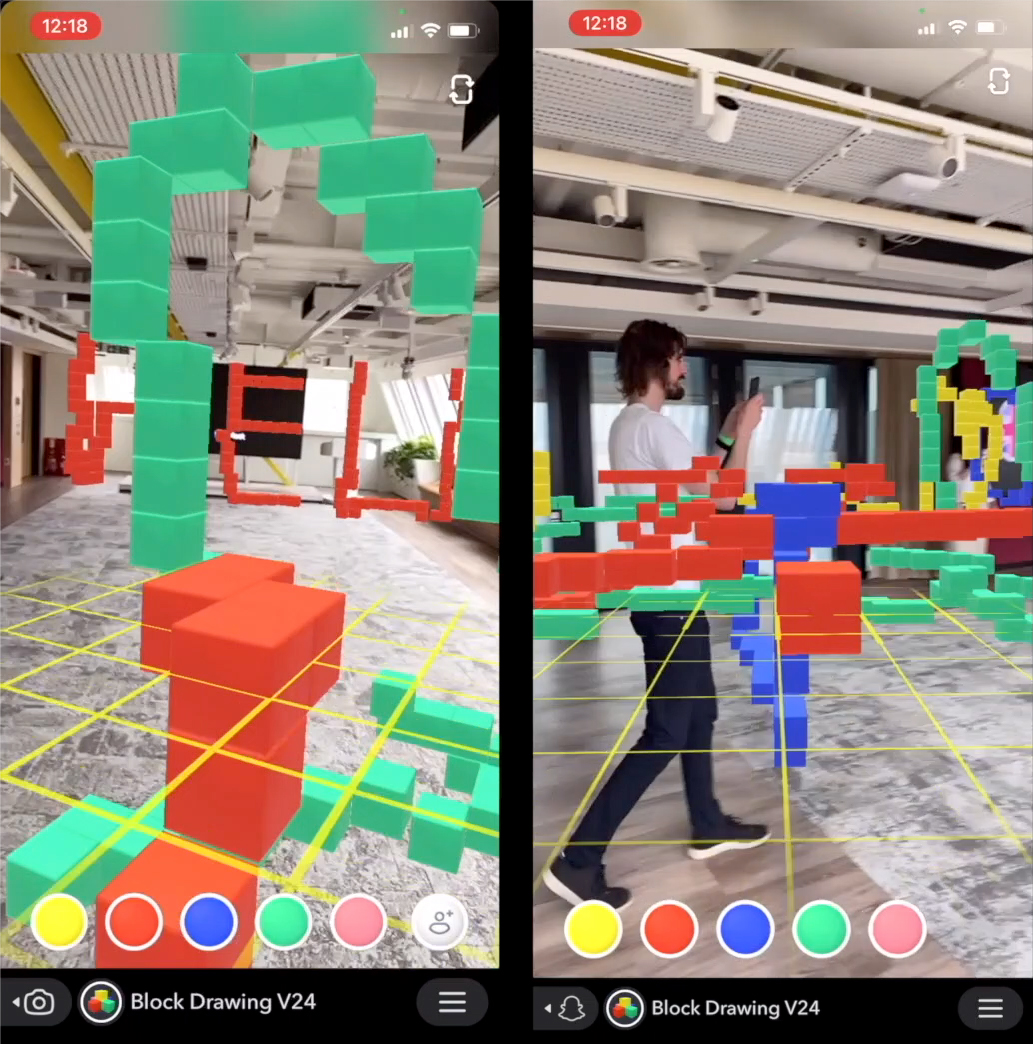
Snapchat Connected Lenses: Real-Time Shared AR Experiences
Snapchat's Connected Lenses let users interact with augmented reality together in real time.

Microsoft Announces Microsoft Mesh: Mixed Reality for Business
Microsoft Mesh brings holographic collaboration to remote business teams via Azure.
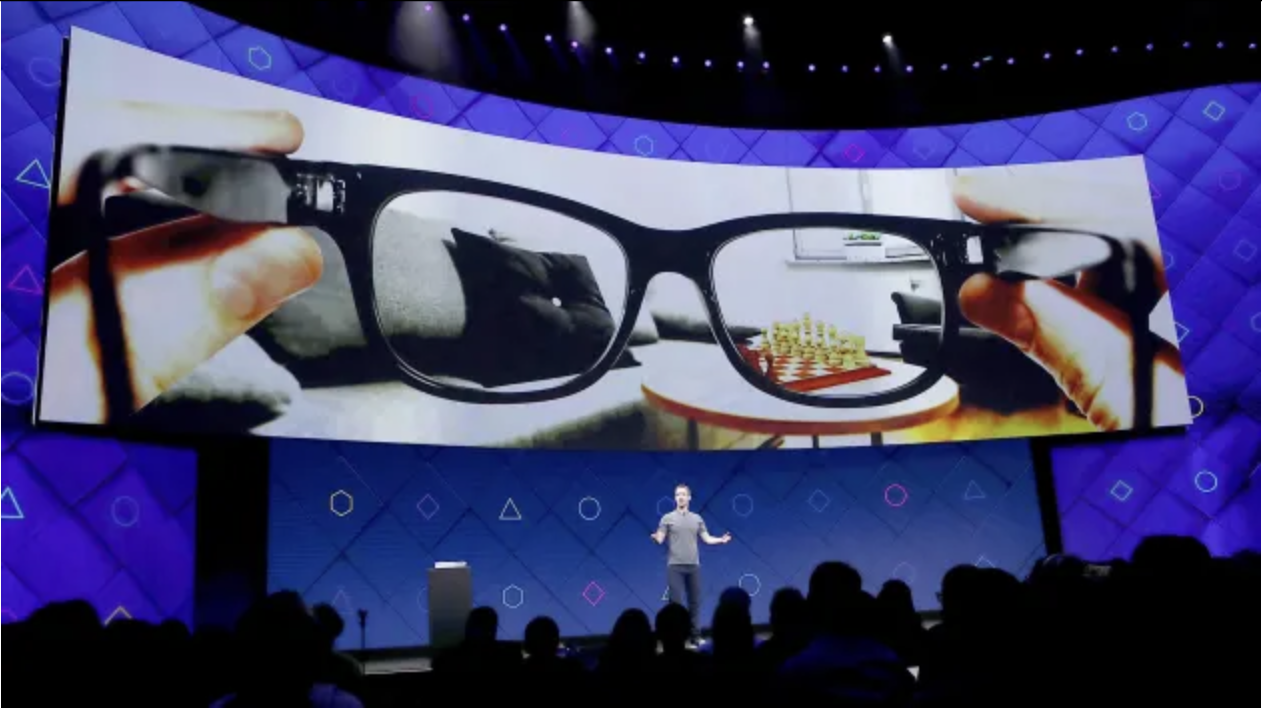
Facebook Announces Wearable AR Glasses with Luxottica
Facebook partnered with Luxottica to develop wearable augmented reality smart glasses under Ray-Ban.

Nreal Released Consumer AR Glasses in South Korea
Nreal launched lightweight AR glasses with 6DoF tracking and plans to expand globally.

Microsoft Acquired Metaswitch, a 5G Company That Could Enhance AR
Microsoft's Metaswitch acquisition could strengthen its Azure platform for AR and mixed reality.

Magic Leap AR Headset Maker Announced Layoffs
Magic Leap laid off nearly half its workforce amid financial struggles and slowing AR headset sales.

Apple Released the LiDAR Scanner on the New iPad Pro
Apple's LiDAR scanner adds depth sensing to the iPad Pro for more immersive AR experiences.

Snapchat Introduced Cameos: AR Face-Insertion Feature
Snapchat's Cameos uses machine learning to insert user faces into short video clips.
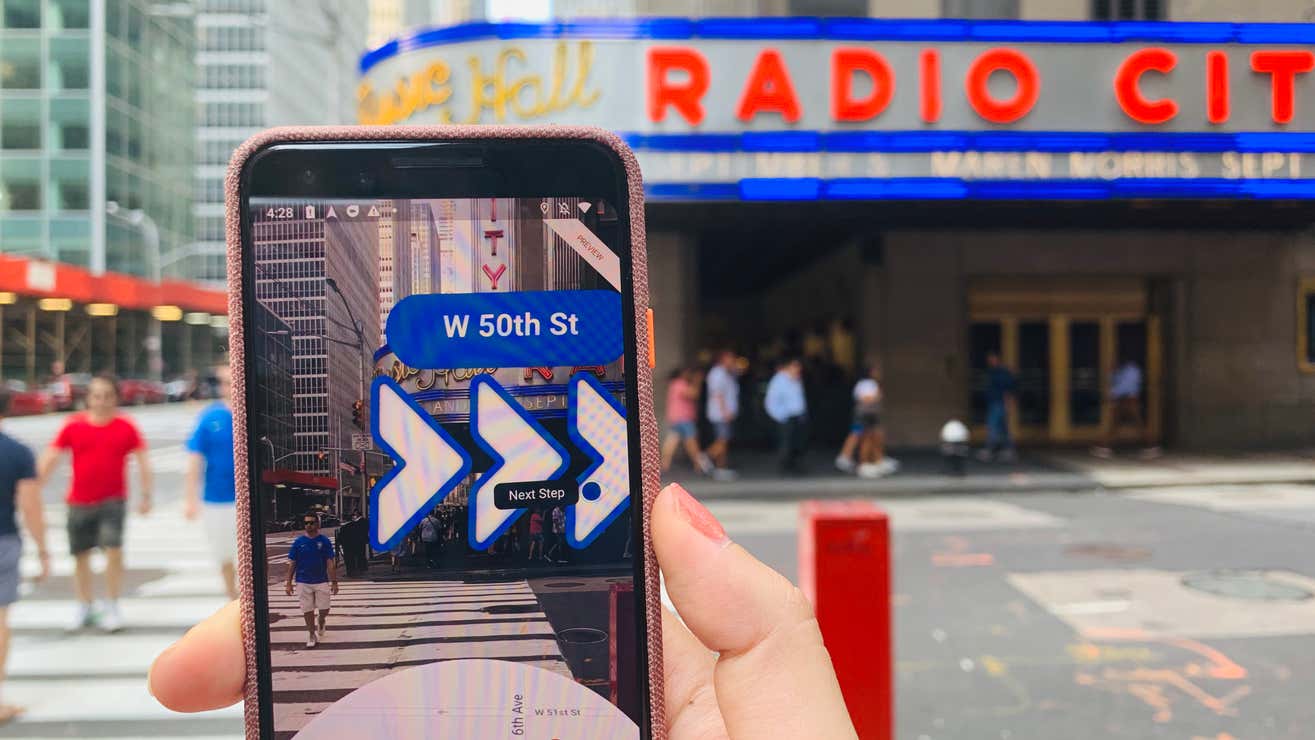
Google Introduced AR Navigation for Google Maps
Google Maps overlays AR directions onto the real world using the phone's camera and GPS.

Google Acquired Eyefluence to Enhance AR Experiences
Google acquired eye-tracking startup Eyefluence to advance its augmented and virtual reality offerings.